 Economic Business Consultant



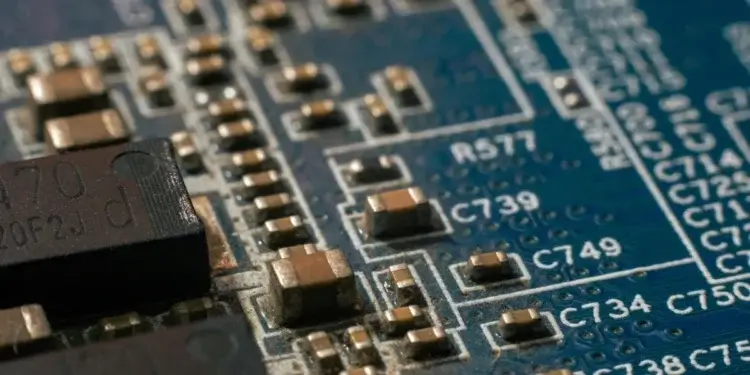
India’s push toward electronics manufacturing, EV adoption, and digital infrastructure has created a massive demand for reliable semiconductor supply chains. From automotive control units and consumer electronics to industrial automation systems, semiconductors are now the backbone of modern manufacturing. However, global chip shortages and supply chain disruptions have forced Indian manufacturers to rethink sourcing strategies. Many are now turning toward Korea’s advanced semiconductor ecosystem to secure stable, high-quality supply.
With structured trade support under the India–Korea CEPA framework, CEPA India enables businesses to connect with Korean semiconductor manufacturers and navigate the complexities of cross-border efficiently for Import Semiconductors from Korea.
Table of Contents
Why Semiconductors Are a Strategic Procurement Priority
Semiconductors are no longer just components — they are strategic assets. Their availability directly impacts:
- Production continuity
- Product innovation cycles
- Cost competitiveness
- Time-to-market
- Export readiness
Industries heavily dependent on semiconductor supply include:
- Automotive and EV manufacturing
- Consumer electronics
- Industrial automation
- Telecommunications
- Renewable energy systems
For these sectors, even minor supply disruptions can result in significant operational and financial losses.
Understanding Korea’s Semiconductor Strength
South Korea is one of the world’s most advanced semiconductor hubs, known for its deep technological expertise and large-scale production capabilities.
Key Strengths of Korean Semiconductor Manufacturers:
1. Advanced Fabrication Capabilities: Korean manufacturers lead in high-performance memory and advanced chip technologies used in global electronics and data infrastructure.
2. Strong R&D Ecosystem: Continuous investment in innovation enables Korean suppliers to stay ahead in areas like AI chips, automotive semiconductors, and power electronics.
3. Supply Chain Reliability: Korea offers a more stable and structured semiconductor supply chain compared to many global alternatives.
4. Global Quality Standards: Manufacturing processes adhere to strict international standards, making them suitable for high-reliability applications.
For Indian manufacturers, this translates into reduced risk and improved product performance.
How the CEPA Framework Enables Semiconductor Trade?
The India–Korea Comprehensive Economic Partnership Agreement (CEPA) plays a crucial role in facilitating trade between the two countries.
When sourcing semiconductors through CEPA-aligned processes:
- Import duties may be reduced or optimized
- Documentation becomes more streamlined
- Customs clearance becomes more predictable
- Trade transparency improves
However, accessing these benefits requires accurate product classification, origin verification, and regulatory compliance — areas where many importers face challenges. This is where CEPA India provides structured support.
Types of Semiconductor Solutions Indian Manufacturers Source from Korea
Rather than focusing on brands, procurement teams typically look for functional categories based on application:
1. Memory Components: Used in data storage, servers, and consumer electronics.
2. Automotive Semiconductors: Critical for EV systems, ADAS, and powertrain control units.
3. Industrial and IoT Chips: Used in automation systems, sensors, and connected devices.
4. Power Electronics: Important for renewable energy systems, EV charging, and industrial equipment.
Each category requires different technical specifications, compliance levels, and sourcing strategies.
Challenges in Semiconductor Sourcing (and Why They Matter)
Let’s be clear — sourcing semiconductors globally is not simple.
1. Supplier Verification Risk: Not all suppliers meet the required quality or reliability standards.
2. Technical Mismatch: Incorrect specifications can lead to product failure or redesign costs.
3. Regulatory Complexity: Customs classification and documentation errors can delay shipments.
4. Supply Chain Volatility: Lead times and availability can fluctuate significantly.
Ignoring these factors can cost companies months of delay and millions in losses.
How CEPA India Solves These Challenges
CEPA India acts as a trade enabler and sourcing partner, not just a connector.
1. Supplier Verification: Ensuring Korean manufacturers meet required quality and export standards.
2. Technical Alignment: Helping buyers communicate precise technical requirements to suppliers.
3. CEPA Documentation: Managing origin certification, HS classification, and compliance.
4. Logistics Coordination: Ensuring timely shipping and smooth customs clearance.
This structured approach reduces uncertainty and allows businesses to focus on production and growth.
Who Should Consider Sourcing from Korea
This strategy is particularly valuable for:
- Automotive and EV manufacturers
- Electronics OEMs and ODMs
- Industrial automation companies
- Hardware startups scaling production
- Energy and infrastructure companies
For these businesses, semiconductor sourcing is not optional — it’s strategic survival.
Key Considerations Before Importing Semiconductors
Before entering international sourcing, companies must evaluate:
1. Application Requirements: Performance specifications, operating conditions, and compatibility.
2. Supply Continuity: Ability of the supplier to meet long-term demand.
3. Compliance Requirements: Import regulations, certifications, and CEPA eligibility.
4. Cost vs Reliability: Cheaper components often lead to higher long-term costs.
CEPA India helps address these factors early in the decision-making process.
Why Manufacturers Choose CEPA India
- ✅ Access to verified Korean semiconductor suppliers
- ✅ Expertise in CEPA trade compliance
- ✅ Structured sourcing and communication process
- ✅ Reduced import risk
- ✅ End-to-end coordination from supplier to delivery
CEPA India provides a systematic approach to international sourcing, which is critical in high-value industries like semiconductors.
Conclusion – Korean Semiconductor Manufacturers
Semiconductors are the foundation of modern industry, and securing a reliable supply chain is no longer optional for Indian manufacturers.
Korea offers a strong combination of technology, scale, and reliability, making it a strategic sourcing destination. With the support of CEPA India, businesses can access this ecosystem in a structured, compliant, and efficient manner.
For companies aiming to scale production, reduce risk, and stay competitive in global markets, sourcing semiconductors through CEPA India is a forward-looking decision.
FAQs – Import Semiconductors from Korea
1. Why do Indian manufacturers source semiconductors from Korea?
Ans. Korea offers advanced technology, reliable supply chains, and high-quality semiconductor manufacturing.
2. What types of semiconductors can be sourced from Korea?
Ans. Memory chips, automotive semiconductors, industrial chips, and power electronics.
3. How does CEPA help in semiconductor imports?
Ans. CEPA can provide trade benefits such as reduced duties and simplified documentation.
4. How does CEPA India assist in sourcing?
Ans. CEPA India handles supplier verification, documentation, compliance, and logistics.
5. Are Korean semiconductors suitable for EV applications?
Ans. Yes, they are widely used in EV systems and advanced automotive technologies.
6. What challenges exist in semiconductor sourcing?
Ans. Supplier verification, technical compatibility, and supply chain volatility.
7. How long does semiconductor import take?
Ans. Typically several weeks depending on supply and logistics conditions.
8. Can startups source semiconductors internationally?
Ans. Yes, with proper guidance and structured sourcing support.
9. Does CEPA India handle customs and compliance?
Ans. Yes, including CEPA documentation and import coordination.
10. How can companies start sourcing through CEPA India?
Ans. By contacting CEPA India and sharing their technical requirements.