Economic Business Consultant



The global manufacturing industry relies heavily on precision machinery, and many businesses today are actively exploring machine tools suppliers in Korea to upgrade their production capabilities. South Korea has developed a strong reputation for advanced industrial engineering, automation technology, and high-quality manufacturing equipment. From CNC machining centers and turning machines to specialized industrial tools, Korean manufacturers supply machinery that meets the demanding requirements of automotive, aerospace, electronics, and heavy engineering industries.
India’s manufacturing sector is rapidly transforming. With initiatives like Make in India, rising exports, and growing demand for precision components, Indian manufacturers are investing heavily in modern machine tools to improve efficiency and quality.
While domestic manufacturing capabilities are expanding, many companies still look internationally for high-precision and technologically advanced machine tools. Among the global manufacturing hubs, South Korea has emerged as a trusted partner for industrial machinery and advanced tooling solutions.
Through structured trade facilitation under the India–Korea Comprehensive Economic Partnership Agreement (CEPA), CEPA India enables Indian manufacturers to connect with Korean suppliers and streamline the process of sourcing advanced machine tools.
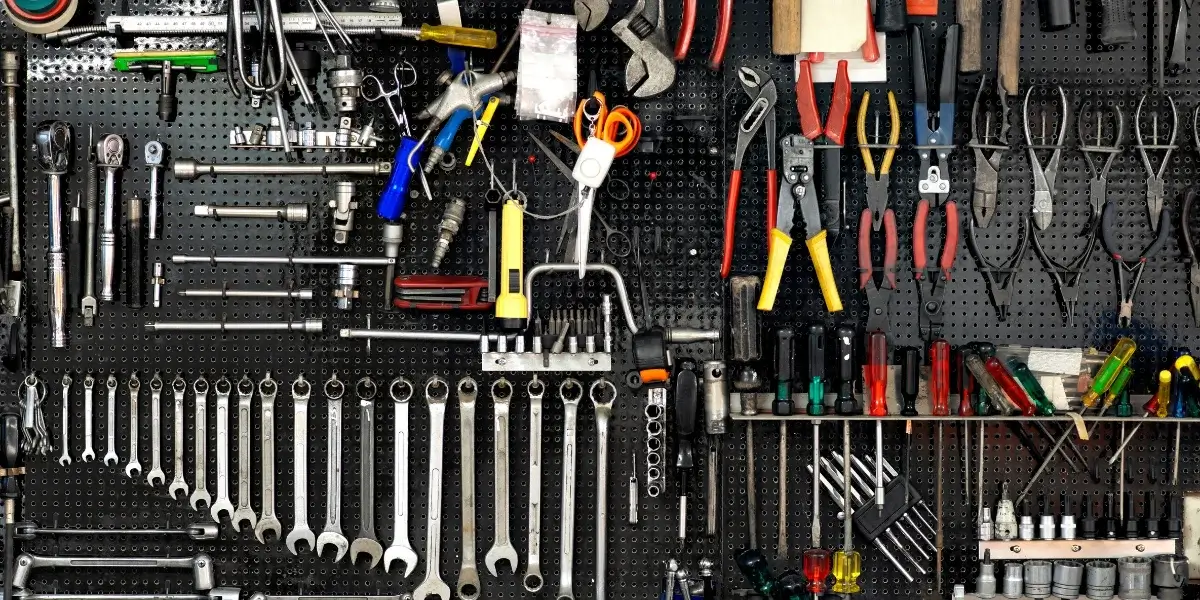
Table of Contents
Why Machine Tools Are the Backbone of Modern Manufacturing
Machine tools are fundamental to manufacturing because they shape, cut, drill, mill, grind, and form raw materials into finished industrial components. Their precision directly impacts product quality, operational efficiency, and production cost.
Industries that depend heavily on machine tools include:
- Automotive and EV manufacturing
- Aerospace engineering
- Industrial equipment manufacturing
- Electronics and semiconductor production
- Metal fabrication and heavy engineering
As manufacturing standards become more demanding, companies increasingly require machines capable of high-speed machining, micron-level accuracy, and automation integration.
Why Korean Machine Tool Technology Is Gaining Global Attention
South Korea has built a strong reputation in industrial machinery through continuous investment in engineering innovation, robotics integration, and precision manufacturing.
Key strengths of Korean machine tool manufacturing include:
1. High Precision Engineering: Korean machine tools are known for delivering tight tolerances and consistent accuracy, which is critical for automotive and aerospace applications.
2. Advanced Automation Capabilities: Many Korean systems are designed to integrate with smart factories, CNC automation, and Industry 4.0 systems, allowing manufacturers to increase productivity.
3. Strong Reliability and Durability: Industrial buyers often prioritize long-term reliability. Korean manufacturers typically build machines capable of operating in high-volume production environments with minimal downtime.
4. Competitive Performance-to-Cost Ratio: Compared to many Western machines, Korean equipment often offers comparable performance with more competitive pricing, making it attractive for growing manufacturing businesses.
The Role of the CEPA Framework in Industrial Machinery Imports
The India–Korea Comprehensive Economic Partnership Agreement (CEPA) has strengthened trade relations between the two countries and simplified the import process for many industrial products.
When machine tools are imported under CEPA provisions, businesses may benefit from:
- Preferential or reduced customs duties
- More transparent trade procedures
- Faster customs processing
- Improved bilateral supply chain cooperation
However, accessing these benefits requires accurate documentation, origin certification, and correct product classification.
CEPA India helps manufacturers navigate this process and ensures compliance with CEPA requirements.
Key Machine Tool Categories Indian Manufacturers Source from Korea
Indian industries often explore Korean sourcing for advanced machinery such as:
i) CNC machining centers – used for precision milling and component manufacturing.
ii) Turning centers and lathes – critical for automotive and heavy engineering production lines.
iii) Grinding and finishing machines – essential for achieving surface accuracy and tight tolerances.
iv) Metal forming and press machines – used in automotive body and structural component manufacturing.
v) Industrial robotics and automated machining systems – supporting smart manufacturing environments.
These machines play a critical role in increasing production capacity, consistency, and cost efficiency.
How CEPA India Helps Indian Manufacturers Source Machine Tools
Sourcing industrial machinery internationally can be complex. It requires technical evaluation, supplier verification, regulatory compliance, and logistics coordination.
CEPA India supports manufacturers by providing structured trade facilitation.
i) Supplier Identification: CEPA India helps Indian buyers connect with verified Korean industrial equipment manufacturers that match their technical requirements.
ii) Technical Requirement Alignment: Machine tools must align with factory workflows, production capacity, and material specifications. CEPA India assists buyers in communicating these requirements clearly to suppliers.
iii) CEPA Documentation and Compliance: To benefit from CEPA trade provisions, proper documentation is essential. CEPA India ensures that imports comply with CEPA guidelines and customs regulations.
iv) Logistics and Delivery Coordination: Industrial machines involve large-scale shipping and careful handling. CEPA India helps coordinate logistics, documentation, and customs clearance.
Important Considerations Before Importing Machine Tools
Manufacturers planning to source machine tools internationally should evaluate several critical factors:
1. Production requirements: Ensure the machine matches production volume, material type, and required tolerance’s
2. Automation compatibility: Modern factories often integrate machines with CNC software, robotics, and digital monitoring systems.
3. After-sales support: Reliable technical support, spare parts availability, and maintenance planning are essentials.
4. Compliance and certification: Machines must comply with relevant engineering standards and import regulations.
By addressing these factors early, manufacturers can avoid costly disruptions.
Who Benefits Most from Korean Machine Tool Imports?
Businesses that typically explore Korean machinery sourcing include:
- Automotive component manufacturers
- EV parts and battery manufacturers
- Aerospace component suppliers
- Industrial fabrication companies
- Engineering SMEs scaling production capacity
For these organizations, reliable machine tools can significantly improve production efficiency and product quality.
Why Many Indian Manufacturers Work with CEPA India?
Manufacturers often face challenges when sourcing equipment internationally, such as supplier verification, documentation complexity, and logistics coordination.
CEPA India simplifies the process by offering:
- Access to verified Korean manufacturing partners
- Expertise in CEPA trade documentation
- Structured supplier communication
- Transparent sourcing support
- Assistance with logistics and customs procedures
This approach helps Indian businesses reduce sourcing risks while expanding their industrial capabilities.
Conclusion – Korean Machine Tools Manufacturers
As India’s manufacturing sector grows more competitive, access to advanced machine tools becomes increasingly important. Korean manufacturing technology offers precision, automation capabilities, and reliability that many industries require.
With the support of CEPA India, Indian manufacturers can explore Korean machine tool sourcing in a structured and compliant manner, benefiting from CEPA trade provisions and streamlined import processes.
For businesses seeking to modernize their production lines and improve operational efficiency, CEPA India provides a reliable gateway to Korea’s advanced manufacturing ecosystem.
Frequently Asked Questions – Machine Tools Suppliers in Korea
1. Why do manufacturers import machine tools from Korea?
Ans. Korean machine tools are known for precision engineering, automation integration, and reliable performance in high-volume production environments.
2. What types of machine tools are commonly sourced from Korea?
Ans. Common equipment includes CNC machining centers, turning centers, grinding machines, and automated manufacturing systems.
3. How does the CEPA agreement affect machine tool imports?
Ans. The CEPA framework can provide preferential trade conditions, simplified documentation, and improved customs procedures for eligible imports.
4. How can CEPA India help with industrial machinery sourcing?
Ans. CEPA India assists with supplier identification, documentation compliance, logistics coordination, and communication with Korean manufacturers.
5. Are Korean machine tools suitable for automotive manufacturing?
Ans. Yes. Many Korean machines are widely used in automotive component production due to their precision and durability.
6. What should companies check before importing machine tools?
Ans. Key considerations include production requirements, automation compatibility, certifications, and after-sales support.
7. How long does it typically take to import industrial machinery from Korea?
Ans. Depending on machine size and production schedules, imports generally take several weeks including shipping and customs clearance.
8. Can small and medium manufacturers import machine tools?
Ans. Yes. Many SMEs explore international sourcing to upgrade production capabilities and remain competitive.
9. Does CEPA India assist with logistics and customs documentation?
Ans. Yes. CEPA India supports the entire process from supplier verification to documentation and import coordination.
10. How can businesses begin sourcing machinery through CEPA India?
Ans. Companies can connect with CEPA India to discuss their technical requirements and explore verified Korean suppliers.